
The Beijing Art Scam – How It Works and How to Avoid It
When I was going to Beijing for the first time, I did not even research scams. China is known for being extremely safe, so it wasn’t really a priority of mine. My rule of thumb is… “If you’re in east asia, there’s nothing to worry about”.
When you’re in China (as a westerner), endless locals are going to come up to you. You’re going to be a celebrity…and they’re going to want a selfie with you.
.
Many people have never spoken with a foreigner before, so it gets them really excited to practice their English. (despite the propaganda that says China hates outsiders). It’s really awesome to see fist hand how happy and nice the citizens are. Remember, brainwashing does exist.
Let’s just say I was getting far too comfortable talking to random people. Would you blame me? I had spectators watching and observing me eating hot pot. They could not believe that I could use chop sticks. Remember….brainwashing is probably real on the other side as well. Many locals have no idea how popular Chinese cuisine is in the United States.
🚨 WHAT IS THE BEIJING ART SCAM?
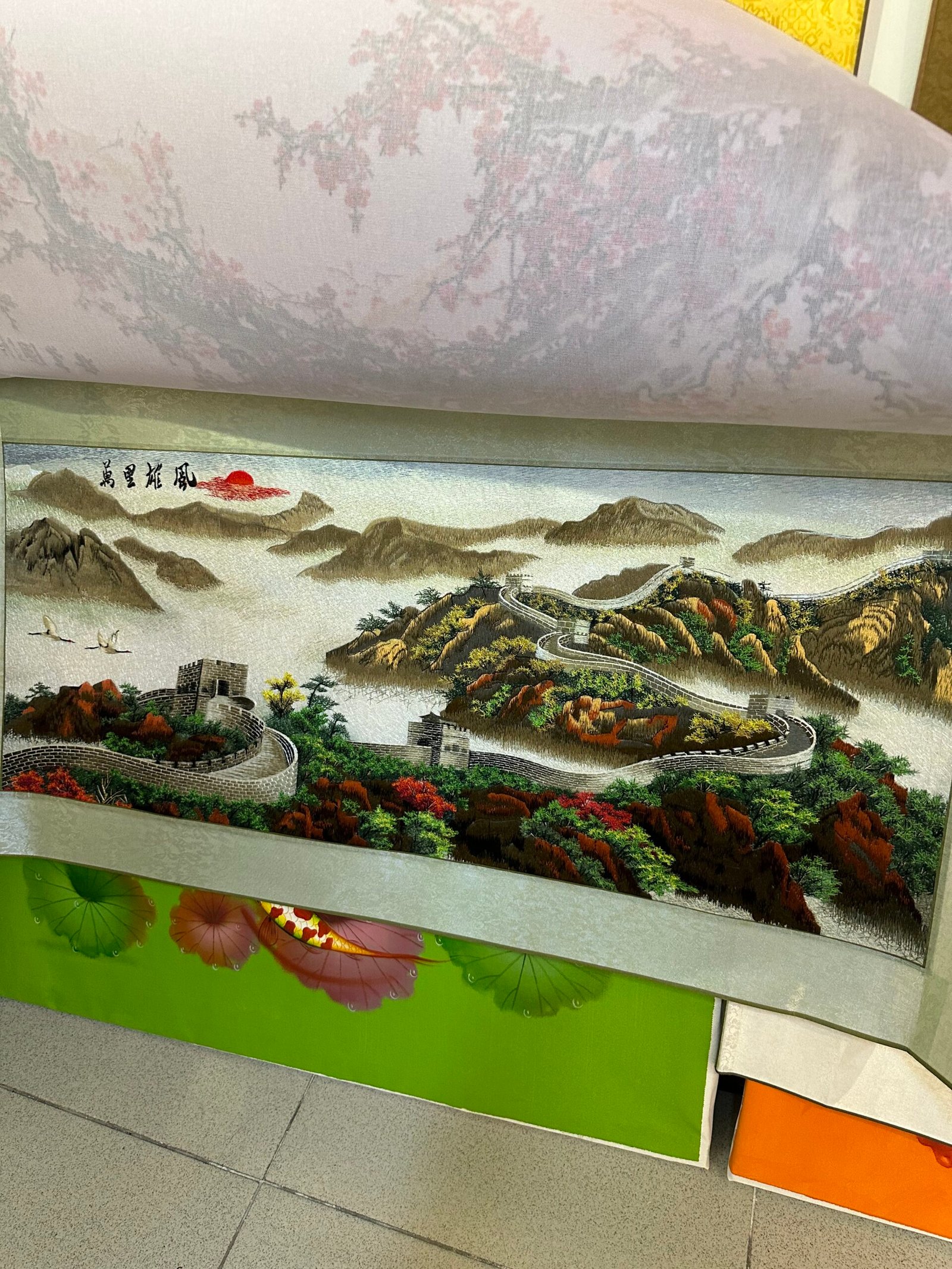
A friendly local approaches you on a pedestrian street claiming to be an art teacher or student. They invite you to see an "exhibition" nearby. You end up in a small office with overpriced art and QR codes on the wall. The art is almost certainly fake and the prices are massively inflated. The most common version happens on Wangfujing Walking Street in central Beijing. The script is always the same... art teacher, visiting from another province, students need supplies. If you hear this, smile, say no thanks, and keep walking.
The Beijing Art Scam
So when I was walking down the pedestrian street in Wangfujing, it happened again. It was extremely normal, it was just another nice guy. He mentioned he was a teacher in another providence and he came to Beijing to bring some art back to his students. He said he was going to the museum and I should check it out if I’m heading that way.
It was on the way back to my hotel actually, so I said sure, just show me where it is…I was heading that way anyway. I was not pressured into anything, it was my own choice. He was not pushy or aggressive.
We approached a normal office building that had a rinky dink sign saying “art museum” in English with an arrow pointing inside. At this point, I knew exactly what was coming so I immediately became annoyed. I’ve been around the block per se…he was a tout, and I usually hate touts.
He clearly noticed my mood change so was explaining to me that China was very safe so don’t be alarmed on the sketchy elevator. Now i knew I wasn’t going to be killed, but I was furious that “he got me”. I lost.
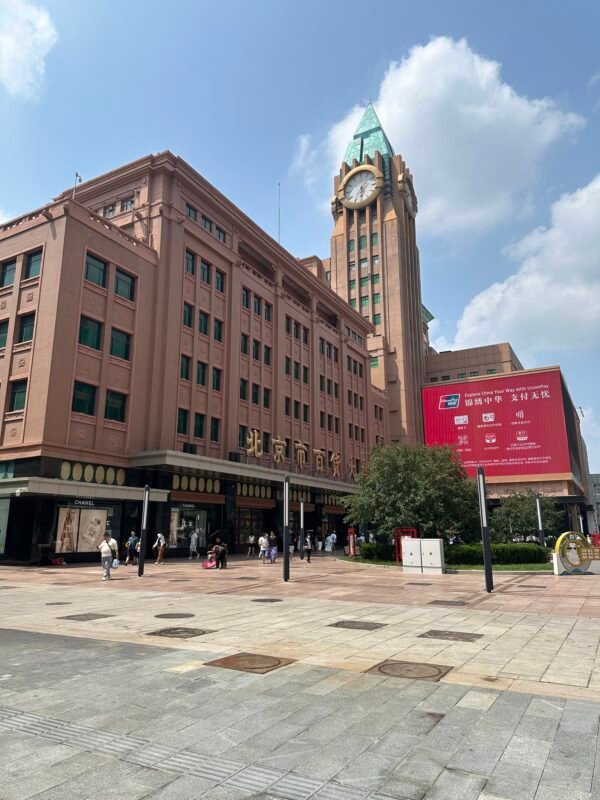
It was gritty on the outside, but it was basically just offices inside. I did not feel in danger at all, but if you’re a solo female traveler…you probably would not have entered.
It was a normal office type building. Kind of dystopian and quiet, but it appeared
he just had an office there. As we walked inside, it was a tiny room with some very cool art pieces. 99% not real, but still cool.
He explained the history and meaning behind a few of them. Like I said, he was friendly, not your average tout. My eyes start wander and I see the weChat and Alipay QR codes of course. If you are unfamiliar, Alipay “runs” China, you’ll need it installed on your trip.
The was really bizarre. It was a scam…but he had no probably giving me some history lessons as I stood there with a sour face.
I accepted defeat and realized how much effort he put into this trick, so I bought something small. He wanted $25…I laughed and said no way. Even $10 was way too much, but that’s what I gave him….I’ve spent much worse money in my life.
We proceeded back down the elevator and parted ways. Was he nice? Yes? Was he still a scammer? Kind of. Was I tricked? Kind of, I can’t even tell at this point.
I eventually found why I can 100% classify this as a scam. How?
Is This A Common Beijing Scam?
Later that day, I headed down the same street to get hot pot.
I hear a voice say “Hello!! Nice to meet you….I am a calligraphy teacher!”
I smirked and said “oh really!” and listened to the same script. Outside of these two experiences, I never saw or heard a tout. So my answer would be NO, you will not get scammed in China have an amazing time in Beijing. If someone asks you about art or calligraphy, just laugh to yourself and say No Thanks.
And if you’re in Beijing…I know you’re going to the Great Wall of China, so check out my review of the MUBUS tour here.
FREQUENTLY ASKED QUESTIONS
Is Beijing safe for tourists?
+
Yes - Beijing is extremely safe by global standards. Violent crime against tourists is virtually unheard of. The scams that do exist like the art scam and tea ceremony scam are low stakes and non threatening. You will not be robbed, pickpocketed, or physically harassed. China overall is one of the safer countries you can visit as a tourist.
What are the most common scams in Beijing?
+
The most common tourist scams in Beijing are the art scam (friendly local leads you to an overpriced art gallery), the tea ceremony scam (someone invites you for tea and you end up with an enormous bill), the fake student scam (students ask you to their art show), and inflated taxi fares from drivers who refuse to use the meter. All are avoidable with basic awareness and none are dangerous.
Is the art scam common in Beijing?
+
It is one of the most well known tourist scams in Beijing, particularly around Wangfujing Walking Street. The same script is used every time — art teacher visiting from another province, students need supplies, there is an exhibition nearby. Once you know the script you will spot it immediately. Outside of this specific area and scenario you are very unlikely to encounter it.
How do you avoid scams in Beijing?
+
Know the common scripts before you arrive so you recognise them immediately. Use DiDi for all transport instead of hailing taxis. Never follow a stranger to a second location for art, tea, or any other invitation. If someone approaches you on Wangfujing and mentions art or calligraphy, smile and keep walking. That is genuinely all you need to know.
Is China safe for solo travelers?
+
Very much so. China is one of the safest countries in the world for solo travelers in terms of personal safety. The locals are curious and friendly toward foreigners. The main challenges are the language barrier and navigating apps like Alipay and DiDi — none of which are safety concerns. Solo travel in Beijing and other major Chinese cities is straightforward once you have the basics sorted.
What is the tea ceremony scam in Beijing?
+
Someone approaches you near a tourist area and invites you to a traditional tea ceremony. It sounds like a cultural experience but ends with a bill of hundreds of dollars for tea you did not realize was being charged. The fix is simple — only visit tea houses you have independently researched and entered yourself. Never accept an unsolicited invitation to any food or drink establishment from a stranger on the street.
This post may contain affiliate or Amazon Associate links to in which we would recieve a small compensation on purchase. But it also might not.